Job Search
How to Find a Job in Germany as an Expat: Complete Guide 2026
Landing a job in Germany as an expat requires navigating bureaucratic precision, cultural expectations, and competitive markets. From visa requirements to interview techniques, this complete guide covers...
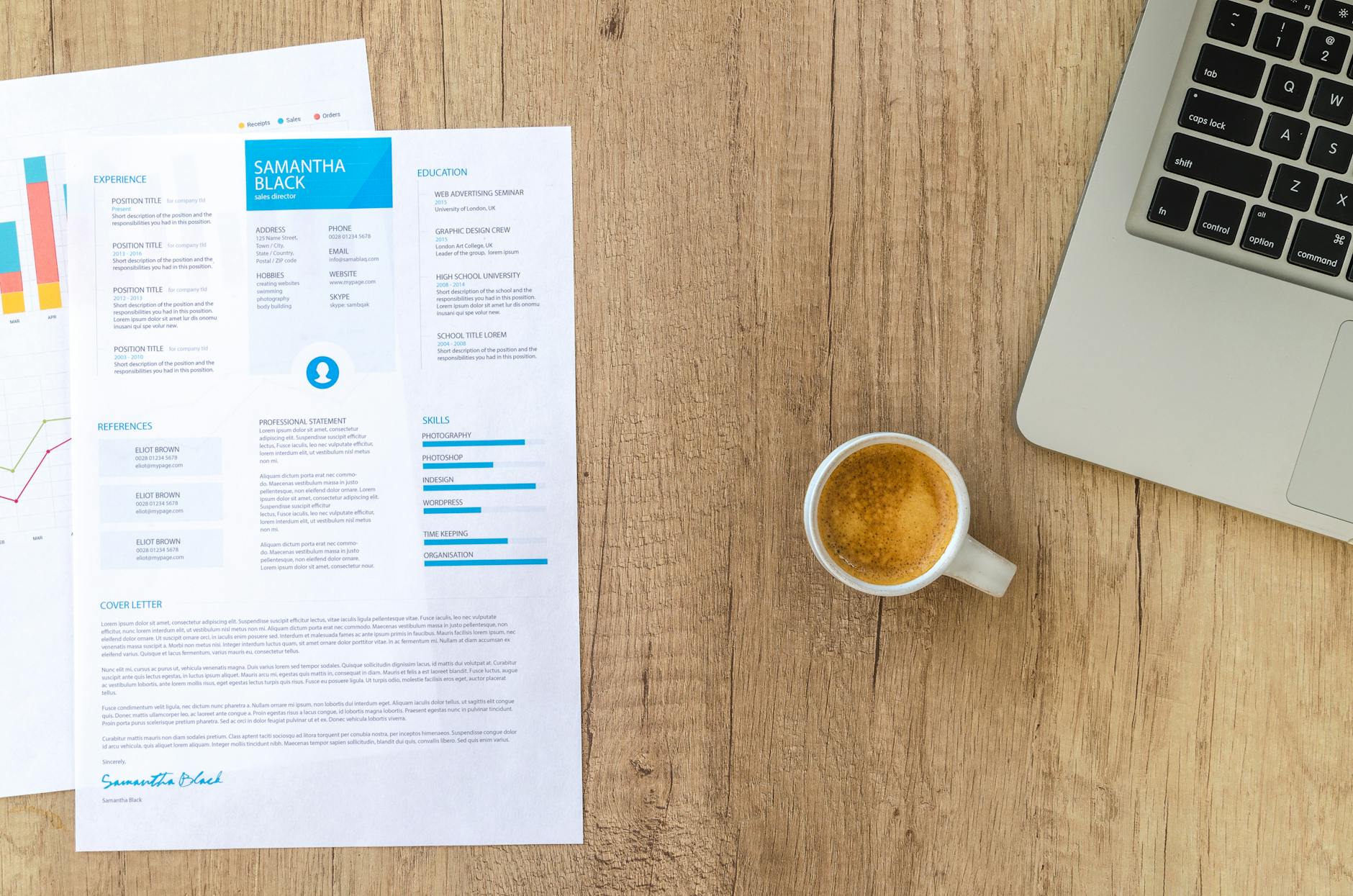
Landing a job in Germany as an expat requires navigating a unique blend of bureaucratic precision, cultural expectations, and competitive markets. While Germany's strong economy and skilled worker shortage create opportunities, success depends on understanding the system rather than fighting it. From crafting the perfect German CV to mastering the interview process, each step has specific requirements that can make or break your application.
The good news is that Germany actively seeks international talent, particularly in tech, engineering, healthcare, and skilled trades. With unemployment at historic lows and an aging workforce, many employers are more open to hiring expats than ever before. However, this doesn't mean the process is simple.
On April 15, 2026, the Federal Ministry of Labor and Social Affairs announced new fast-track visa processing for skilled workers in critical sectors, reducing processing times from 12 weeks to 6-8 weeks for applicants with job offers in healthcare, IT, and engineering. This initiative, part of Germany's updated Skilled Immigration Act, also expands the list of recognized foreign qualifications and introduces digital-first application processes for certain visa categories.
Understanding the German Job Market in 2026
Germany's job market in 2026 reflects both traditional strengths and evolving needs. The country faces a skills shortage of approximately 387,000 unfilled positions, with particularly acute demand in healthcare, IT, engineering, and skilled trades. This shortage creates opportunities for expats but also means competition for the best positions remains fierce.
The most in-demand roles for expats include software developers, nurses, doctors, engineers (mechanical, electrical, and civil), data scientists, and skilled craftspeople like electricians and plumbers. Berlin, Munich, Hamburg, Frankfurt, and Stuttgart offer the highest concentration of opportunities, though smaller cities often provide better work-life balance and lower living costs.
Salary expectations vary significantly by region and industry. Software developers in Munich earn between 65,000 and 95,000 EUR annually as of 2026, while the same role in Berlin ranges from 55,000 to 80,000 EUR. Healthcare professionals can expect starting salaries of 45,000 to 60,000 EUR, with significant room for advancement.
Tip: Research salary ranges on platforms like StepStone and Xing before applying. German employers expect you to know market rates and negotiate accordingly.
Remote work has become more accepted post-pandemic, with approximately 40% of German companies offering hybrid arrangements as of 2026. However, many employers still prefer candidates who can work on-site, particularly for client-facing roles or positions requiring security clearance.
Work Visa and Permit Requirements for Expats
Your visa requirements depend on your nationality, qualifications, and intended job. EU citizens can work freely in Germany, while others need specific permits. The most common routes for skilled workers are the EU Blue Card, skilled worker visa, and job seeker visa.
The EU Blue Card targets highly qualified professionals with university degrees and job offers paying at least 50,700 EUR annually (as of 2026), or 45,934.20 EUR for shortage occupations like IT and healthcare. This visa offers the fastest path to permanent residence, requiring only 21 months with German language skills or 33 months without.
The skilled worker visa covers both university graduates and those with recognized vocational training. You need a concrete job offer and proof that your qualifications are recognized in Germany. Processing takes 6-8 weeks for priority sectors since the April 2026 reforms.
The job seeker visa allows you to enter Germany for up to six months to search for employment. You need recognized qualifications, proof of financial support (1,091 EUR per month (19,638 EUR for 18-month visa)), and health insurance. Once you find a job, you can convert to a work visa without leaving the country.
For detailed information about specific visa types and requirements, consult our full Germany Visa Types Explained: Which One Do You Need? guide.
Where to Search for Jobs in Germany
German job hunting combines traditional platforms with sector-specific resources. The most effective approach uses multiple channels simultaneously rather than relying on a single platform.
Major job platforms include StepStone (Germany's largest job board), Xing (German LinkedIn equivalent), Indeed Deutschland, and Monster.de. These platforms list opportunities across all sectors and skill levels. Create detailed profiles and set up job alerts for relevant positions.
Tech-focused platforms offer specialized opportunities for software developers, data scientists, and IT professionals. Honeypot stands out as a unique platform where companies apply to you based on your tech skills and preferences. Based in Berlin with strong connections to German startups and established companies, Honeypot handles visa sponsorship discussions and helps negotiate competitive packages. The platform pre-screens companies, ensuring they're genuinely interested in hiring international talent.
For more traditional sectors, recruitment agencies play a crucial role. Michael Page, Robert Half, and Hays specialize in placing international candidates in German companies. They often have established relationships with employers comfortable hiring expats and can guide you through cultural expectations.
Company career pages remain important, especially for large corporations like SAP, Siemens, BMW, and Bosch. These companies often have dedicated international recruitment programs and clear visa sponsorship policies.
Hidden job market opportunities emerge through networking, industry events, and direct applications. Approximately 60% of positions in Germany aren't publicly advertised, making connections crucial for accessing these opportunities.
Creating a German-Style CV and Cover Letter
German CVs follow strict formatting conventions that differ significantly from American or British versions. Understanding these expectations is crucial, as deviating from the standard format can immediately disqualify your application.
Your CV (Lebenslauf) should be exactly two pages, include a professional photo, and follow reverse chronological order. Include personal details like date of birth, nationality, and marital status at the top, though these aren't mandatory since 2006 anti-discrimination laws.
Essential sections include personal information, work experience, education, skills, and languages. Each position should list the company name, location, your title, employment dates, and 3-4 bullet points describing responsibilities and achievements. Use specific metrics where possible: "Increased sales by 23% over 18 months" rather than "Improved sales performance."
The cover letter (Anschreiben) must be exactly one page and address the specific position and company. German employers expect you to demonstrate knowledge of their company and explain why you're interested in that particular role. Avoid generic templates and instead research the company's recent projects, values, or market position.
Note: Always address your cover letter to a specific person. If no name is listed, call the company to ask for the hiring manager's name rather than using generic greetings.
Language matters significantly in applications. If the job posting is in German, respond in German unless specifically requested otherwise. Poor German in your application materials can disqualify you even for English-speaking roles, as it suggests limited integration potential.
Mastering the German Job Interview Process
German interviews prioritize thorough preparation, punctuality, and detailed technical discussions. The process typically involves multiple rounds: an initial phone screening, one or two in-person interviews, and sometimes practical tests or case studies.
Preparation expectations are higher than many other countries. Research the company's history, recent news, competitors, and market position. Prepare specific examples using the STAR method (Situation, Task, Action, Result) to demonstrate your achievements. German interviewers often ask for detailed explanations of your decision-making process and problem-solving approaches.
Common questions include "Why do you want to work in Germany?" "How do you handle working in multicultural teams?" and "What challenges do you expect as an expat employee?" Prepare honest, thoughtful answers that show cultural awareness and genuine interest in integrating into German work culture.
Cultural expectations emphasize punctuality (arrive exactly on time, not early), firm handshakes, and direct communication. Germans appreciate candidates who ask substantive questions about the role, team structure, and company challenges. Avoid overly personal topics but don't be afraid to discuss your career goals and development expectations.
For technical roles, expect in-depth discussions about your expertise. Bring portfolio materials, code samples, or project documentation. Some companies conduct practical assessments during interviews, so be prepared to demonstrate your skills in real-time.
Networking and Building Professional Connections
Professional networking in Germany operates differently from more informal cultures. Germans prefer structured, purposeful networking rather than casual relationship-building. However, once established, professional relationships tend to be deeper and more reliable.
Xing dominates professional networking in Germany, functioning similarly to LinkedIn but with stronger local focus. Create a full profile in German if possible, join relevant industry groups, and actively participate in discussions. Many German professionals use Xing more actively than LinkedIn for domestic opportunities.
Industry events and meetups provide excellent networking opportunities. Cities like Berlin, Munich, and Hamburg host regular tech meetups, professional associations, and industry conferences. Attend events consistently rather than sporadically, as Germans value reliable professional relationships.
Professional associations (Berufsverbände) play a crucial role in many industries. Engineers can join VDI (Association of German Engineers), IT professionals have Bitkom, and finance professionals connect through BVR. Membership often provides access to exclusive job boards, training programs, and networking events.
Informational interviews work well in German culture when approached professionally. Contact professionals in your target companies through Xing, clearly explain your background and interests, and request 20-30 minute conversations about their industry insights. Germans generally respond positively to well-prepared, specific requests.
Language Requirements and Communication Skills
Language requirements vary dramatically by industry, company size, and role level. While Germany increasingly accepts English in international companies, German skills often determine long-term career advancement and social integration.
English-only opportunities exist primarily in tech startups, international corporations, consulting firms, and academic institutions. Cities like Berlin, Munich, and Frankfurt offer the highest concentration of English-speaking roles. However, even in these positions, basic German helps with daily tasks like reading contracts, communicating with HR, or understanding company announcements.
German language levels are measured using the Common European Framework (CEFR). A2 level allows basic workplace communication, B1 enables participation in meetings and email correspondence, B2 supports complex professional discussions, and C1 allows native-level business communication.
For healthcare, education, law, and public sector roles, C1-level German is typically mandatory. Engineering and manufacturing often require B2, while tech and consulting may accept B1 with strong English skills. Sales and customer-facing positions generally need C1 regardless of industry.
If you need to improve your German quickly, Babbel offers structured courses designed by linguists specifically for practical communication. As a Berlin-based company, Babbel understands the German business environment and focuses on real-world applications rather than just grammar rules. Their business German modules cover workplace terminology, meeting participation, and professional email writing.
For full language learning strategies and additional resources, check our guide on Learning German: The Best Methods, Apps, and Courses for Expats.
Understanding German Employment Contracts and Rights
German employment law strongly favors employee protection, offering extensive rights and benefits that may exceed your home country's standards. Understanding these protections helps you negotiate effectively and avoid potential exploitation.
Contract types include permanent (unbefristet), fixed-term (befristet), and part-time arrangements. Permanent contracts offer maximum job security with extensive termination protection after six months. Fixed-term contracts can last up to two years without justification, or longer with specific reasons like project work or temporary replacement.
Probation periods (Probezeit) typically last six months, during which either party can terminate with two weeks' notice. After probation, termination requires longer notice periods: one month for employment up to two years, increasing to seven months for employees with 20+ years of service.
Salary negotiations should consider the total package including benefits. German employees receive 13th-month salary (Weihnachtsgeld), vacation money (Urlaubsgeld), and comprehensive health insurance. Many companies offer additional benefits like public transport subsidies, gym memberships, or continuing education budgets.
- Vacation days - minimum 24 days annually, though most companies provide 28-30 days
- Sick leave - full pay for up to six weeks, with health insurance covering extended illness
- Parental leave - up to 14 months paid leave split between parents
- Health insurance - mandatory coverage with employer contributing roughly 50% of premiums
- Retirement contributions - automatic enrollment in state pension system with employer matching
Working time regulations limit weekly hours to 48 on average, with daily maximums of 8-10 hours. Overtime compensation varies by contract but often includes time-off-in-lieu rather than additional pay. Many companies embrace flexible working arrangements and work-life balance.
Before signing any contract, consider consulting an employment lawyer or joining a union (Gewerkschaft) for guidance. Union membership provides legal support, salary benchmarking, and collective bargaining benefits.
Frequently Asked Questions
Can I find a job in Germany without speaking German? Yes, particularly in tech, consulting, and international companies in major cities. However, German skills significantly expand your options and improve long-term career prospects. Start with basic German and improve while working.
How long does it take to find a job in Germany as an expat? Most expats find positions within 3-6 months of active searching. Tech professionals often secure offers faster (6-12 weeks), while traditional industries may take longer. Having recognized qualifications and German language skills accelerates the process.
Do I need my qualifications recognized to work in Germany? Recognition requirements depend on your profession. Regulated professions like medicine, law, and teaching require formal recognition. Other fields may accept foreign qualifications, especially if you have relevant work experience. Check the Recognition Finder tool on make-it-in-germany.com for specific requirements.
What salary can I expect as an expat in Germany? Salaries vary by location, industry, and experience. Entry-level positions typically start at 35,000-45,000 EUR annually, while experienced professionals earn 60,000-100,000 EUR or more. Consider the total package including benefits, job security, and work-life balance when evaluating offers.
Can I start job hunting before moving to Germany? Absolutely, and it's often recommended. Many German companies conduct video interviews and are comfortable hiring international candidates remotely. Having a job offer simplifies visa applications and provides financial security upon arrival.
What are the most in-demand jobs for expats in Germany? High-demand roles include software developers, data scientists, healthcare professionals (nurses, doctors), engineers (mechanical, electrical, civil), skilled craftspeople, and sales professionals with language skills. The German government maintains a shortage occupation list that's updated annually.
Taking Your Next Steps
Finding a job in Germany requires patience, preparation, and persistence, but the rewards justify the effort. German employment offers exceptional job security, comprehensive benefits, and excellent work-life balance. Start by assessing your qualifications and language skills, then create targeted applications for companies that value international talent.
Begin with research: identify target companies, understand salary expectations, and prepare your German-style application materials. If you need to establish yourself in Germany first, our guides on How to Find an Apartment in Germany: A Realistic Guide and The Complete Anmeldung Guide: Register Your Address in Germany will help you navigate the practical steps.
Consider whether entrepreneurship might suit your goals. Germany offers excellent support for international founders and freelancers. Our full Starting a Freelance Business in Germany: Complete Guide 2026 covers the legal requirements and practical steps for establishing your own business.
Remember that job searching is just the beginning. Once you secure a position, you'll need to open a German bank account and understand your employment rights. The initial investment in understanding German workplace culture, legal requirements, and language expectations pays dividends throughout your career.
Germany's commitment to attracting international talent, combined with your preparation and persistence, creates excellent opportunities for career advancement and personal growth. Start your application process today, and join the thousands of expats who have successfully built careers in one of Europe's most dynamic economies.